
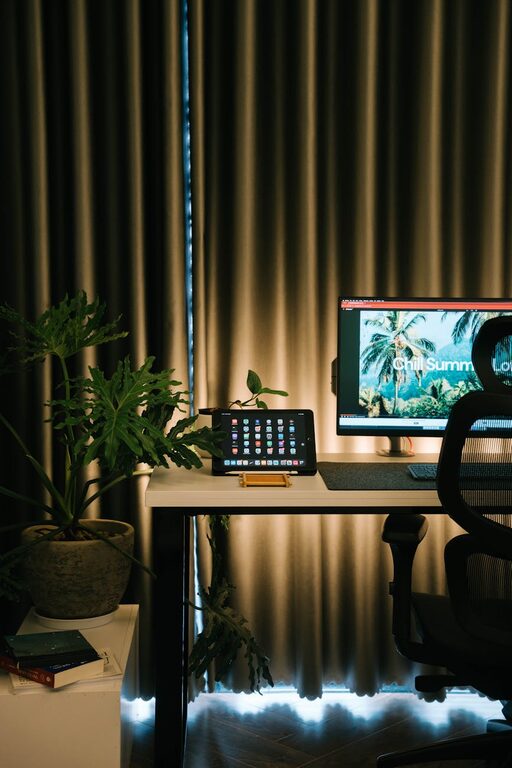
Creating a home office space that is both comfortable and productive is essential for anyone working remotely or spending significant time on personal projects. A well-designed workspace can improve your focus, reduce stress, and help maintain a healthy work-life balance. Whether you have a dedicated room or a small corner in your home, making the most of your space with thoughtful design choices can make all the difference.
In this post, we’ll explore practical tips to help you create a home office environment that supports your best work.
Choose the Right Location
Selecting the ideal spot for your home office is the first step. Consider these factors:
– Natural Light: Position your desk near a window to take advantage of natural light, which can improve mood and reduce eye strain.
– Quietness: Find a place away from household noise such as TVs, high-traffic areas, or noisy appliances.
– Space: Ensure there is enough room for your desk, chair, and any necessary equipment without feeling cramped.
– Privacy: If possible, pick a location where you can close a door to minimize interruptions during meetings or deep work sessions.
Invest in a Comfortable Chair and Desk
Ergonomics play a crucial role in comfort and productivity. Here’s what to look for:
– Adjustable Chair: Choose a chair with adjustable height, lumbar support, and comfortable padding to support long hours of sitting.
– Appropriate Desk Height: Your desk should allow your arms to rest comfortably at a 90-degree angle when typing.
– Sufficient Surface Area: Ensure your desk has enough space for your computer, notebooks, and other tools without clutter.
Optimize Lighting
Good lighting reduces eye fatigue and creates an inviting atmosphere.
– Layer Your Lighting: Use a combination of natural light, overhead lighting, and task lighting like a desk lamp.
– Use Soft, Warm Tones: Avoid harsh fluorescent lights. Soft, warm white bulbs mimic daylight and are less tiring for your eyes.
– Position Lighting Properly: Place task lights to avoid shadows and glare on screens.
Organize Your Workspace
A tidy and organized desk can enhance concentration.
– Use Storage Solutions: Drawers, shelves, and filing cabinets keep supplies and documents within reach but out of the way.
– Declutter Regularly: Remove items you don’t need daily to maintain a clean workspace.
– Cable Management: Use clips or sleeves to keep cords organized and prevent tangling.
Personalize Your Space
Adding personal touches can make your office more enjoyable.
– Incorporate Plants: Indoor plants not only improve air quality but also create a calm and fresh environment.
– Display Inspiring Items: Photos, artwork, or motivational quotes can boost morale and creativity.
– Choose Calming Colors: Paint or decorate with colors that help you feel relaxed and focused, such as soft blues, greens, or neutrals.
Maintain Proper Technology Setup
Reliable and efficient technology is key to a smooth workflow.
– High-Speed Internet: Ensure your connection supports video calls and uploading/downloading files easily.
– Adequate Equipment: Use a good-quality monitor, keyboard, and mouse to reduce strain.
– Backup Power: Consider a surge protector or an uninterruptible power supply (UPS) in case of power outages.
Establish Boundaries and Routine
Creating a productive home office is not just about physical space but also about habits.
– Set Work Hours: Define clear start and end times to separate work from personal life.
– Take Breaks: Schedule short breaks to stretch and rest your eyes, helping maintain focus.
– Use a Dedicated Work Zone: Avoid working from your bed or couch to create mental separation from work.
Keep Air Quality and Temperature Comfortable
Your environment’s air quality and temperature affect comfort and productivity.
– Ventilate Regularly: Open windows when possible or use an air purifier to keep the air fresh.
– Maintain Comfortable Temperature: Keep the room at a comfortable temperature, neither too hot nor too cold.
– Use a Fan or Heater: Adjust as needed for your comfort during different seasons.
Final Thoughts
Designing a home office that supports comfort and productivity doesn’t require a large budget or space. By thoughtfully selecting your location, investing in ergonomic furniture, optimizing lighting, staying organized, and fostering good habits, you can create a workspace that helps you stay focused and healthy. Remember, even small changes can lead to big improvements in your work-from-home experience.
Start implementing these tips today and enjoy a more comfortable and effective home office space!